


A project’s durability, aesthetics, long-term use and cost are all significantly dependent on the selection of materials used to make them. One material that stands out in this aspect is Weathering Steel. It is a popular choice because of its self-protecting properties and visual appeal. It is used in an array of industries.
Let’s explore what is weathering steel and everything important related to it in this blog.
What is weathering steel?
It is also known as Corten Steel Sheet. It is a low-alloy steel designed to form a stable rust-like appearance when exposed to weather. This layer is not rust that forms on traditional steel sheets, but a protective layer of oxidation that prevents deeper penetration of rust. This enhances the structure’s longevity and strength.
Interesting qualities of Weathering Steel
1. Chemical composition: Weathering steel is made using a combination of low-steel alloys like copper, chromium, nickel, and phosphorus. This unique composition allows the formation of protective layers when exposed to the elements.
2. Self-protecting nature: It can protect itself by preventing the corrosion from penetrating deeper. This reduces the need for paint and coatings bringing down the overall maintenance costs.
3. Durability: As it can withstand harsh environments it is an extremely durable choice which can last for decades. This makes it a prime choice for big structures.
4. Aesthetic appeal: Corten Steel Sheet’s rust-like appearance gives it an industrial and modern look which has become a trend in architecture and design.
Benefits of Using Weathering Steel
1. Corrosion Resistance: Unlike metals like regular steel, corten steel sheets are highly rust resistant.
2. Eco-friendly: As it is durable, frequent replacements are not required. This makes it a sustainable choice.
3. Cost-effective: With no need for additional coatings and heavy maintenance it is an economical option, especially for large scale projects.
Common Applications of Weathering Steel
It is used in various industries. Some of them are:
- Infrastructure: It is ideal for bridges, buildings and large-scale infrastructure due to its corrosion resistance and high strength.
- Architectural and Aesthetic Applications: Corten Steel Sheets are commonly used for building sculptures and facades as it has a rustic visual appeal.
- Equipment: It is used to make farming and industrial equipment such as farm machinery and outdoor storage units as they are exposed to harsh weather conditions.
Weathering Steel v/s Other Steel Types
Stainless Steel v/s Weathering Steel: Stainless steel is resistant to corrosion. It has a clean, polished appearance as compared to weathering steel. Corten steel sheet is preferred as it is low maintenance and has a rustic appeal.
Structural Steel v/s Weathering Steel: Structural Steel is not as suitable for outdoor use as weathering steel. It requires a protective coating. This makes weathering steel a more practical choice.


27 June 2026 | Welding
Welding Safety Guidelines: 10 Essential Tips Every Welder Must Follow
.jpg)


27 June 2026 | Welding
An In-Depth Exploration of Low-Alloy Steel: Your Comprehensive Guide


27 June 2026 | Welding
Nagpur - Bori - Tuljapur Road MSH-3 in Yavatmal District (Maharashtra)
27 June 2026 | Welding
3 Tips for Finding the Best Mild Steel Electrode for Your Application


27 June 2026 | Welding
How to Choose a Flux Cored Wire (FCAW Wire) – Complete Buying & Selection Guide


27 June 2026 | Welding
Low Hydrogen Electrodes: Storage, Baking, and Best Practices for High-Quality Welds.jpg)
27 June 2026 | Welding
How to Select the Right Welding Filler Wires for Stainless Steel Welding?


27 June 2026 | Welding
Building the Narendra Modi Stadium with Norma V and Autotherme-1 Electrodes
27 June 2026 | Welding
Understanding Gas Welding: Process, Applications, Advantages & Disadvantages


27 June 2026 | Welding
Low Alloy Steel Welding in a (PEB) Pre Engineered Building Structure
.jpg)
27 June 2026 | Welding
How to Prevent Hydrogen Cracking in Welding: Expert Guide to High-Quality Welds

.jpg)
27 June 2026 | Welding
Welding Rods: Different Types and Tips for Properly Storing and Handling
.jpg)
27 June 2026 | Welding
Tips for Flawless Welds with Stainless Steel Electrodes: Pros and Cons


27 June 2026 | Welding
Exploring Applications and Benefits of Stainless Steel Welding Electrodes


27 June 2026 | Welding
The Complete Welding Machine Maintenance Checklist: Keep Your Equipment Running 24/7
.jpg)
.jpg)

27 June 2026 | Welding
Welding Basics: Joining Metals with Heat and Pressure - A Beginners Guide
27 June 2026 | Welding
Forehand vs. Backhand Welding Techniques: Choosing the Right Method
.webp)
27 June 2026 | Welding
Welding Innovations to Improve Manufacturing Productivity & Quality.jpg)
.jpg)
.webp)
.jpg)


27 June 2026 | Welding
Distinguishing Low-Alloy Steel from High-Alloy Steel: Understanding the Variations
27 June 2026 | Welding
Hardfacing Welding Process Types, Wires, Electrodes and Applications


27 June 2026 | Welding
Weathering Steel vs. Traditional Steel: A Comparative Analysis of Performance


27 June 2026 | Welding
Choosing the Right Welding Rod: Why 6013 Electrodes Might Be Your Ideal Option
27 June 2026 | Welding
Exploring Submerged Arc Welding: Process, Advantages, and Limitations

27 June 2026 | Welding
Why Stainless Steel Welding Electrodes Are Essential for Industrial Welding


27 June 2026 | Welding
Why 7018 Electrodes Are Preferred for High-Strength Welds in Pipeline Construction
27 June 2026 | Welding
Filler Wire vs. Stainless Steel Filler Wire: Understanding the Key Differences
27 June 2026 | Welding
What are Mild Steel Electrodes? A Detailed Explanation of Different Types with Examples

27 June 2026 | Welding
Exploring the Impact of Filler Material on Welding Quality and Durability
27 June 2026 | Welding
Choosing the Right Cast Iron Electrode for Different Welding Projects


27 June 2026 | Welding
Top Advantages of Cast Iron Electrodes for Industrial Welding Applications

.png)
27 June 2026 | Welding
Key Benefits and Challenges of Using TIG Welding in Industrial Projects
27 June 2026 | Welding
Lotherme-601: A Game-Changer for Restoring Shoulder Pins in Heavy Machinery


.webp)
27 June 2026 | Welding
Welding PPE Kit Essential Welding Safety Equipment for Maximum Protection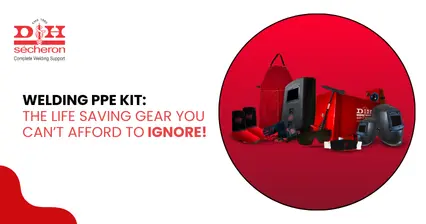
27 June 2026 | Welding
Piston Repair for Mining Industry: Reduce Downtime with LoTherme 468 Welding Electrodes.webp)
.webp)
.webp)

27 June 2026 | Welding
Welding Helmets & Goggles: Essential Welding Safety Equipment for Industrial Welders.webp)

.jpg)

27 June 2026 | Welding
Top 5 Advantages of Flux Cored Arc Welding for Heavy-Duty Applications.png)
27 June 2026 | Welding
5 Reasons Why 7018 Electrode is the Gold Standard for Welding Professionals
27 June 2026 | Welding
Revitalising Power Plant Efficiency: The Role of LoTherme 470M in Drive Shaft Repairs.webp)


27 June 2026 | Welding
How to Weld Ferritic Stainless Steel: Complete Guide for SMAW & Arc Welding


