


Weathering Steel vs. Traditional Steel: A Comparative Analysis of Performance
Introduction
Steel is one of the most ductile and toughest materials that has been the prime need in various types of construction and manufacturing. The invention of weathering steel gave a new dimension to steel fabrication. In this blog, we will compare the performance of weathering steel with traditional steel and understand how welding products offered by D&H Sécheron contribute to the effective use of products offered by them.
Understanding Weathering Steel
Weathering steel, often referred to by the genericized trademark COR-TEN steel, is a group of steel alloys developed to eliminate the need for painting and form a stable rust-like appearance after several years' exposure to weather. The material has alloy elements such as copper, chromium, and nickel that develop an oxide protective layer on their surface when in contact with the elements.
Traditional Steel and Its Properties
Traditional steel, sometimes known as carbon steel, is 2% alloy of iron and other elements. It is a very flexible alloy, hence it can accommodate any kind of welding process but may decay or flake due to oxidation.
Comparative Analysis of Performance
Corrosion Resistance
The formed oxide layer at the weathering steel surface, in reaction with corrosion, has a better resistance ability and hence acts as the best candidate for outdoor applications under severe weather exposure. On the other hand, traditional steel calls for treatments that will facilitate better corrosion resistance.
Mechanical Performance
Furthermore, mechanical performance presents a clear difference from traditional steel for weathering steel. Literature has quoted that weathering steel will have a higher content of α-FeOOH, CuO, and Ni compounds within the forming corrosion product than that of traditional steel, hence forming a much more compact, dense layer of rust and which offers better protection to the steel against corrosion.
Role of Welding Materials
Welding consumables to be used, including welding wire and stainless steel welding electrodes, definitely make up one of the quintessential parts to join these steels. The stainless steel welding electrodes come designed with specific alloy compositions that allow basing metal match and accordingly achieve required weld characteristics. Welding wire, on the other hand, is used to deposit a weld and comes from a spool of metal wire.
D&H Sécheron: Enhancing Steel Welding
At D&H Sécheron, we are committed to facilitating the effective use of both traditional and weathering steel through our broad selection of high-quality welding products. Our offerings, which include stainless steel welding electrodes and welding wire, are designed to meet the diverse needs of our customers and ensure smooth results and increased production efficiency, regardless of the type of steel being welded. While traditional steel has its advantages, the superior corrosion resistance and mechanical performance of weathering steel make it a compelling choice for many applications. As a leading manufacturer, we are dedicated to enhancing the welding industry with our high-quality products.


27 June 2026 | Welding
Welding Safety Guidelines: 10 Essential Tips Every Welder Must Follow
.jpg)


27 June 2026 | Welding
An In-Depth Exploration of Low-Alloy Steel: Your Comprehensive Guide


27 June 2026 | Welding
Nagpur - Bori - Tuljapur Road MSH-3 in Yavatmal District (Maharashtra)
27 June 2026 | Welding
3 Tips for Finding the Best Mild Steel Electrode for Your Application


27 June 2026 | Welding
How to Choose a Flux Cored Wire (FCAW Wire) – Complete Buying & Selection Guide


27 June 2026 | Welding
Low Hydrogen Electrodes: Storage, Baking, and Best Practices for High-Quality Welds.jpg)
27 June 2026 | Welding
How to Select the Right Welding Filler Wires for Stainless Steel Welding?


27 June 2026 | Welding
Building the Narendra Modi Stadium with Norma V and Autotherme-1 Electrodes
27 June 2026 | Welding
Understanding Gas Welding: Process, Applications, Advantages & Disadvantages


27 June 2026 | Welding
Low Alloy Steel Welding in a (PEB) Pre Engineered Building Structure
.jpg)
27 June 2026 | Welding
How to Prevent Hydrogen Cracking in Welding: Expert Guide to High-Quality Welds

.jpg)
27 June 2026 | Welding
Welding Rods: Different Types and Tips for Properly Storing and Handling
.jpg)
27 June 2026 | Welding
Tips for Flawless Welds with Stainless Steel Electrodes: Pros and Cons


27 June 2026 | Welding
Exploring Applications and Benefits of Stainless Steel Welding Electrodes


27 June 2026 | Welding
The Complete Welding Machine Maintenance Checklist: Keep Your Equipment Running 24/7
.jpg)
.jpg)

27 June 2026 | Welding
Welding Basics: Joining Metals with Heat and Pressure - A Beginners Guide
27 June 2026 | Welding
Forehand vs. Backhand Welding Techniques: Choosing the Right Method
.webp)
27 June 2026 | Welding
Welding Innovations to Improve Manufacturing Productivity & Quality.jpg)
.jpg)
.webp)
.jpg)


27 June 2026 | Welding
Distinguishing Low-Alloy Steel from High-Alloy Steel: Understanding the Variations
27 June 2026 | Welding
Hardfacing Welding Process Types, Wires, Electrodes and Applications


27 June 2026 | Welding
Choosing the Right Welding Rod: Why 6013 Electrodes Might Be Your Ideal Option
27 June 2026 | Welding
Exploring Submerged Arc Welding: Process, Advantages, and Limitations

27 June 2026 | Welding
Why Stainless Steel Welding Electrodes Are Essential for Industrial Welding


27 June 2026 | Welding
Why 7018 Electrodes Are Preferred for High-Strength Welds in Pipeline Construction
27 June 2026 | Welding
Understanding Weathering Steel: Characteristics, Advantages, and Common Applications
27 June 2026 | Welding
Filler Wire vs. Stainless Steel Filler Wire: Understanding the Key Differences
27 June 2026 | Welding
What are Mild Steel Electrodes? A Detailed Explanation of Different Types with Examples

27 June 2026 | Welding
Exploring the Impact of Filler Material on Welding Quality and Durability
27 June 2026 | Welding
Choosing the Right Cast Iron Electrode for Different Welding Projects


27 June 2026 | Welding
Top Advantages of Cast Iron Electrodes for Industrial Welding Applications

.png)
27 June 2026 | Welding
Key Benefits and Challenges of Using TIG Welding in Industrial Projects
27 June 2026 | Welding
Lotherme-601: A Game-Changer for Restoring Shoulder Pins in Heavy Machinery


.webp)
27 June 2026 | Welding
Welding PPE Kit Essential Welding Safety Equipment for Maximum Protection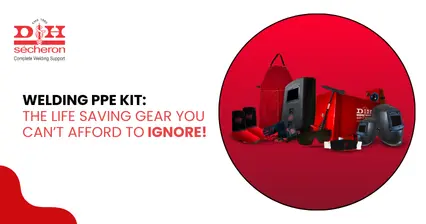
27 June 2026 | Welding
Piston Repair for Mining Industry: Reduce Downtime with LoTherme 468 Welding Electrodes.webp)
.webp)
.webp)

27 June 2026 | Welding
Welding Helmets & Goggles: Essential Welding Safety Equipment for Industrial Welders.webp)

.jpg)

27 June 2026 | Welding
Top 5 Advantages of Flux Cored Arc Welding for Heavy-Duty Applications.png)
27 June 2026 | Welding
5 Reasons Why 7018 Electrode is the Gold Standard for Welding Professionals
27 June 2026 | Welding
Revitalising Power Plant Efficiency: The Role of LoTherme 470M in Drive Shaft Repairs.webp)


27 June 2026 | Welding
How to Weld Ferritic Stainless Steel: Complete Guide for SMAW & Arc Welding


