


Achieving a quality weld is crucial to determining the success of various processes across industries. For this, using the right filler material is important. Filler materials significantly impact the strength and durability of the whole welded structure. An incorrect choice can lead to cracks, weak joints, and more defects.
In this blog, let’s explore five tips to select the best filler material for your order to ensure the success of your welding project.
Tip 1: Identify Your Welding Goal
What type of project is your weld a part of? Different welding projects have different requirements. For example-
- Structural welding (construction of bridges, buildings, and towers) requires a strong, durable filler metal as these structures are consistently used and exposed to harsh materials.
- Automotive repair needs a flexible filler wire that can resist corrosion.
- When welding pipes, a high tensile filler wire is necessary to prevent any leaks from the joints.
Tip 2: Select a Filler Metal Based on Your Welding Process
Each welding method has specific filler materials that are highly compatible. Choosing those combinations adds to the durability of the weld. For example-
- MIG welding uses solid or flux-cored wires to work at high speeds.
- TIG welding requires a clean welding rod as it focuses heavily on precision.
- Stick welding, when utilised for heavy-duty applications, needs coated electrodes.
Tip 3: Check Compatibility with the Base Metal
The metals used in welding react immensely to filler wires and welding rods. To make the best out of the welding materials, use them in the right pair. A few examples are-
- It is recommended to use ER308 filler wire or 316 electrodes for stainless steel.
- For aluminium as your base metal, choose E6013 or E7018 electrodes.
- When using mild electrodes, opt for E6013 or E7018 electrodes.
Tip 4: Factor in the Work Environment
The welding environment can affect the utilisation of filler metal performance. Take a quick overview of a few conditions-
- Outdoor welding needs moisture-resistant electrodes to prevent contamination.
- When the weld will be subjected to underwater conditions, it is advised to use high-corrosion-resistant filler metals.
- A stainless steel or nickel-based filler wire will work best at high-heat applications.
Tip 5: Choose a Reliable Welding Material Manufacturer
The quality of the filler wire is the tipping factor. You can use the right combination of base metal welding techniques, be in the right environment, and end up with an inferior quality weld because of unreliable welding equipment. One of the leading names in India is D&H Sécheron. A long-standing welding equipment legacy with 60 years of expertise. They also provide technical support to help you in the welding process.
It is abundantly clear that a filler wire may be a small part of the project but can have a resounding impact. Choose a quality filler wire from a trusted manufacturer for your welding projects and make it safe, durable, and aesthetic. By following the above tips, you can get started on the process. If you find yourself with more questions, reach out to us, and our experts will lend you the support to make the best decisions for your welding requirements.


27 June 2026 | Welding
Welding Safety Guidelines: 10 Essential Tips Every Welder Must Follow
.jpg)


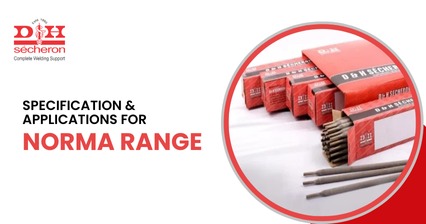
27 June 2026 | Welding
An In-Depth Exploration of Low-Alloy Steel: Your Comprehensive Guide


27 June 2026 | Welding
Nagpur - Bori - Tuljapur Road MSH-3 in Yavatmal District (Maharashtra)
27 June 2026 | Welding
3 Tips for Finding the Best Mild Steel Electrode for Your Application


27 June 2026 | Welding
How to Choose a Flux Cored Wire (FCAW Wire) – Complete Buying & Selection Guide


27 June 2026 | Welding
Low Hydrogen Electrodes: Storage, Baking, and Best Practices for High-Quality Welds.jpg)
27 June 2026 | Welding
How to Select the Right Welding Filler Wires for Stainless Steel Welding?


27 June 2026 | Welding
Building the Narendra Modi Stadium with Norma V and Autotherme-1 Electrodes
27 June 2026 | Welding
Understanding Gas Welding: Process, Applications, Advantages & Disadvantages


27 June 2026 | Welding
Low Alloy Steel Welding in a (PEB) Pre Engineered Building Structure
.jpg)
27 June 2026 | Welding
How to Prevent Hydrogen Cracking in Welding: Expert Guide to High-Quality Welds

.jpg)
27 June 2026 | Welding
Welding Rods: Different Types and Tips for Properly Storing and Handling
.jpg)
27 June 2026 | Welding
Tips for Flawless Welds with Stainless Steel Electrodes: Pros and Cons


27 June 2026 | Welding
Exploring Applications and Benefits of Stainless Steel Welding Electrodes


27 June 2026 | Welding
The Complete Welding Machine Maintenance Checklist: Keep Your Equipment Running 24/7
.jpg)
.jpg)

27 June 2026 | Welding
Welding Basics: Joining Metals with Heat and Pressure - A Beginners Guide
27 June 2026 | Welding
Forehand vs. Backhand Welding Techniques: Choosing the Right Method
.webp)
27 June 2026 | Welding
Welding Innovations to Improve Manufacturing Productivity & Quality.jpg)
.jpg)
.webp)
.jpg)


27 June 2026 | Welding
Distinguishing Low-Alloy Steel from High-Alloy Steel: Understanding the Variations
27 June 2026 | Welding
Hardfacing Welding Process Types, Wires, Electrodes and Applications


27 June 2026 | Welding
Weathering Steel vs. Traditional Steel: A Comparative Analysis of Performance


27 June 2026 | Welding
Choosing the Right Welding Rod: Why 6013 Electrodes Might Be Your Ideal Option
27 June 2026 | Welding
Exploring Submerged Arc Welding: Process, Advantages, and Limitations

27 June 2026 | Welding
Why Stainless Steel Welding Electrodes Are Essential for Industrial Welding


27 June 2026 | Welding
Why 7018 Electrodes Are Preferred for High-Strength Welds in Pipeline Construction
27 June 2026 | Welding
Understanding Weathering Steel: Characteristics, Advantages, and Common Applications
27 June 2026 | Welding
Filler Wire vs. Stainless Steel Filler Wire: Understanding the Key Differences
27 June 2026 | Welding
What are Mild Steel Electrodes? A Detailed Explanation of Different Types with Examples

27 June 2026 | Welding
Exploring the Impact of Filler Material on Welding Quality and Durability
27 June 2026 | Welding
Choosing the Right Cast Iron Electrode for Different Welding Projects


27 June 2026 | Welding
Top Advantages of Cast Iron Electrodes for Industrial Welding Applications

.png)
27 June 2026 | Welding
Key Benefits and Challenges of Using TIG Welding in Industrial Projects
27 June 2026 | Welding
Lotherme-601: A Game-Changer for Restoring Shoulder Pins in Heavy Machinery


.webp)
27 June 2026 | Welding
Welding PPE Kit Essential Welding Safety Equipment for Maximum Protection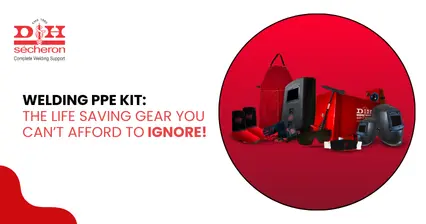
27 June 2026 | Welding
Piston Repair for Mining Industry: Reduce Downtime with LoTherme 468 Welding Electrodes.webp)
.webp)
.webp)

27 June 2026 | Welding
Welding Helmets & Goggles: Essential Welding Safety Equipment for Industrial Welders.webp)

.jpg)

27 June 2026 | Welding
Top 5 Advantages of Flux Cored Arc Welding for Heavy-Duty Applications.png)
27 June 2026 | Welding
5 Reasons Why 7018 Electrode is the Gold Standard for Welding Professionals
27 June 2026 | Welding
Revitalising Power Plant Efficiency: The Role of LoTherme 470M in Drive Shaft Repairs.webp)


27 June 2026 | Welding
How to Weld Ferritic Stainless Steel: Complete Guide for SMAW & Arc Welding


