


If you need a clean and precise weld, look no further than TIG welding. TIG welding, or Tungsten Inert gas welding, is a popular technique used for various industrial applications like automobiles and manufacturing because of its neat results and adaptability. However, just like any other technology, TIG welding has its benefits and challenges.
Let’s explore both sides and help you understand if TIG welding fits your project.
Advantages or Benefits of TIG welding
1. Clean and Precise Finish
One of the most notable benefits of this technique is the precision it allows a welder. You can control the welding process completely, enabling you to work with intricate and delicate materials. This makes it the ideal technique for projects requiring high attention to detail, such as aerospace equipment or medical devices. It also produces minimal spatter, which makes it visually appealing while reducing the requirements for post-weld clean-ups, saving time and effort.
2. Versatility Across Materials & Industries
TIG welding is highly compatible with various consumables and metals like stainless steel, aluminium, titanium, and magnesium. Hence, it is widely used in industries where multiple metals are used simultaneously. For instance, in automotive manufacturing, TIG welding can be used to weld aluminium body parts, while in marine applications, it is used to weld stainless steel parts. This makes it an ideal choice across industries.
3. Quality Welds and Strong Joints
TIG welding is known for producing durable, high-quality welds. Its precision and control ensure a strong bond that is also crack-resistant. Hence, it is used in critical applications like pipelines, pressure vessels, and structural components. There are welding applications where minimal filler material is needed, making TIG welding a great choice as it can produce a smooth weld with fewer distortions.
Disadvantages or Challenges of TIG Welding
1. Difficulty in Learning
TIG welding can be used for intricate work, which means high levels of skill are required to execute the best welding outcomes. The welder must manage several components, such as a torch, filler rod, and foot pedal, at the same time, which can be challenging for beginners, making it a difficult technique to master.
2. Slower Process
TIG welding is slower than other welding methods like MIG welding. It requires meticulous attention and steady hands, which can be difficult to manage on industrial projects with tight deadlines. However, in some industries, it might be worth it to take the time and make a high-quality weld.
3. Higher equipment and Consumable Cost
The initial cost for TIG welding is higher than for other welding techniques. The inert gas used here as shielding gas and tungsten electrodes add to the costs, increasing the overall cost.
TIG welding is an invaluable skill across industries. Its various requirements of high-skill and bigger budgets are supported by the clean and durable welds produced as a result. If quality is a crucial requirement of your welding project, then you must look into TIG welding techniques and invest in them with careful consideration. You can start by investing in a TIG welding machine for best results.
If you are looking for expert guidance to help you make the right choices, start by contacting our experts at D&H Sécheron and sourcing the best equipment for a successful TIG welding project!


27 June 2026 | Welding
Welding Safety Guidelines: 10 Essential Tips Every Welder Must Follow
.jpg)


27 June 2026 | Welding
An In-Depth Exploration of Low-Alloy Steel: Your Comprehensive Guide


27 June 2026 | Welding
Nagpur - Bori - Tuljapur Road MSH-3 in Yavatmal District (Maharashtra)
27 June 2026 | Welding
3 Tips for Finding the Best Mild Steel Electrode for Your Application


27 June 2026 | Welding
How to Choose a Flux Cored Wire (FCAW Wire) – Complete Buying & Selection Guide


27 June 2026 | Welding
Low Hydrogen Electrodes: Storage, Baking, and Best Practices for High-Quality Welds.jpg)
27 June 2026 | Welding
How to Select the Right Welding Filler Wires for Stainless Steel Welding?


27 June 2026 | Welding
Building the Narendra Modi Stadium with Norma V and Autotherme-1 Electrodes
27 June 2026 | Welding
Understanding Gas Welding: Process, Applications, Advantages & Disadvantages


27 June 2026 | Welding
Low Alloy Steel Welding in a (PEB) Pre Engineered Building Structure
.jpg)
27 June 2026 | Welding
How to Prevent Hydrogen Cracking in Welding: Expert Guide to High-Quality Welds

.jpg)
27 June 2026 | Welding
Welding Rods: Different Types and Tips for Properly Storing and Handling
.jpg)
27 June 2026 | Welding
Tips for Flawless Welds with Stainless Steel Electrodes: Pros and Cons


27 June 2026 | Welding
Exploring Applications and Benefits of Stainless Steel Welding Electrodes


27 June 2026 | Welding
The Complete Welding Machine Maintenance Checklist: Keep Your Equipment Running 24/7
.jpg)
.jpg)

27 June 2026 | Welding
Welding Basics: Joining Metals with Heat and Pressure - A Beginners Guide
27 June 2026 | Welding
Forehand vs. Backhand Welding Techniques: Choosing the Right Method
.webp)
27 June 2026 | Welding
Welding Innovations to Improve Manufacturing Productivity & Quality.jpg)
.jpg)
.webp)
.jpg)


27 June 2026 | Welding
Distinguishing Low-Alloy Steel from High-Alloy Steel: Understanding the Variations
27 June 2026 | Welding
Hardfacing Welding Process Types, Wires, Electrodes and Applications


27 June 2026 | Welding
Weathering Steel vs. Traditional Steel: A Comparative Analysis of Performance


27 June 2026 | Welding
Choosing the Right Welding Rod: Why 6013 Electrodes Might Be Your Ideal Option
27 June 2026 | Welding
Exploring Submerged Arc Welding: Process, Advantages, and Limitations

27 June 2026 | Welding
Why Stainless Steel Welding Electrodes Are Essential for Industrial Welding


27 June 2026 | Welding
Why 7018 Electrodes Are Preferred for High-Strength Welds in Pipeline Construction
27 June 2026 | Welding
Understanding Weathering Steel: Characteristics, Advantages, and Common Applications
27 June 2026 | Welding
Filler Wire vs. Stainless Steel Filler Wire: Understanding the Key Differences
27 June 2026 | Welding
What are Mild Steel Electrodes? A Detailed Explanation of Different Types with Examples

27 June 2026 | Welding
Exploring the Impact of Filler Material on Welding Quality and Durability
27 June 2026 | Welding
Choosing the Right Cast Iron Electrode for Different Welding Projects


27 June 2026 | Welding
Top Advantages of Cast Iron Electrodes for Industrial Welding Applications

.png)
27 June 2026 | Welding
Lotherme-601: A Game-Changer for Restoring Shoulder Pins in Heavy Machinery


.webp)
27 June 2026 | Welding
Welding PPE Kit Essential Welding Safety Equipment for Maximum Protection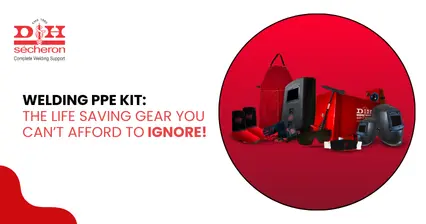
27 June 2026 | Welding
Piston Repair for Mining Industry: Reduce Downtime with LoTherme 468 Welding Electrodes.webp)
.webp)
.webp)

27 June 2026 | Welding
Welding Helmets & Goggles: Essential Welding Safety Equipment for Industrial Welders.webp)

.jpg)

27 June 2026 | Welding
Top 5 Advantages of Flux Cored Arc Welding for Heavy-Duty Applications.png)
27 June 2026 | Welding
5 Reasons Why 7018 Electrode is the Gold Standard for Welding Professionals
27 June 2026 | Welding
Revitalising Power Plant Efficiency: The Role of LoTherme 470M in Drive Shaft Repairs.webp)


27 June 2026 | Welding
How to Weld Ferritic Stainless Steel: Complete Guide for SMAW & Arc Welding


