

.png)
Arc metal welding is a process that needs no introduction in the welding world. Due to its versatility, it's widely used across almost all industries, from construction to manufacturing. However, not one type is suited to every application, and it takes careful consideration to choose the right one based on its unique strengths.
In this blog, let's explore the five most common types of arc metal welding and their applications.
1. Shielded Metal Arc Welding (SMAW)
It is the most common method of arc metal welding and is often referred to as stick welding. It involves manually coating a consumable electrode with a self-shielding flux. Here, the welder controls the arc length and movement of the deposition of molten metal onto the joint.
Applications of SMAW: It is commonly used in construction, maintenance, and repair industries as it is cost-effective. When considering consumables, it is most compatible with stainless steel, carbon steel, and other metals in various positions.
Gas Metal Arc Welding (GMAW)
This type is also known as MIG welding. It can be a semi-automatic or automatic process which uses continuous wire feed electrodes and an inert and semi-inter shielding gas to protect the weld pool from contamination. The molten wire forms an arc that joins the metal pieces together.
Applications of GMAW: Known for its speed and efficacy, it is perfect for automotive and thin metal fabrications. To get the best results, it is advised to use materials like stainless steel and carbon steel, especially if the aesthetics of the weld are crucial.
3. Gas Tungsten Arc Welding (GTAW)
This is also popularly called TIG welding. It's a precise welding process that uses a non-consumable tungsten electrode to get an arc and a different filler rod to insert material into the joint. Typically, it is used to create high-quality welds that require precision and clean metal surfaces.
Applications of GTAW: It is commonly used in aerospace and artistic metalwork due to its visually aesthetic outcome from precise control. When it comes to welding materials, it's best to use thin materials like aluminium, copper alloys, and stainless steel. Another notable quality of TIG welding is its high strength and durability.
4. Flux-Cored Arc Welding (FCAW)
This welding type is quite similar to MIG welding. However, it utilises a flux-filled tubular electrode instead of a solid wire. When burned, this flux generates shielding gases, making it ideal for outdoor welding where harsher elements can be a major issue.
Applications of FCAW: Unlike TIG welding, FCAW is suited to welding thicker materials and is used in industries that require heavy machinery repairs, such as construction and shipbuilding.
5. Submerged Arc Welding (SAW)
SAW is a highly efficient automatic welding process. Here, the arc is created with a continuously fed electrode and workpiece. The weld is submerged under a layer of flux, which acts as a shield from contaminants.
Applications of SAW: It is used to weld thick materials together, such as high-carbon steel or low-alloy steel. Industries like shipbuilding and pipe manufacturing benefit greatly from SAW's ability to produce deep and strong welds at a high speed.
Different types of arc metal welding provide differing advantages. Hence, it is best practice to choose one that suits your project's environmental conditions, materials, and weld quality specifications. To ensure you get the best result, it is highly advisable to seek a trusted welding electrode manufacturer to source the materials.
Ready to take the first step towards a successful welding application? Start by checking out industry-standard welding equipment at D&H Sécheron.


27 June 2026 | Welding
Welding Safety Guidelines: 10 Essential Tips Every Welder Must Follow
.jpg)


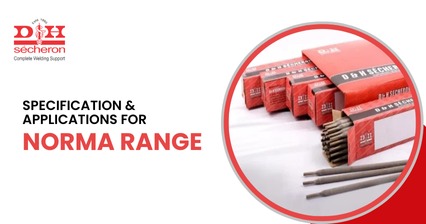
27 June 2026 | Welding
An In-Depth Exploration of Low-Alloy Steel: Your Comprehensive Guide


27 June 2026 | Welding
Nagpur - Bori - Tuljapur Road MSH-3 in Yavatmal District (Maharashtra)
27 June 2026 | Welding
3 Tips for Finding the Best Mild Steel Electrode for Your Application


27 June 2026 | Welding
How to Choose a Flux Cored Wire (FCAW Wire) – Complete Buying & Selection Guide


27 June 2026 | Welding
Low Hydrogen Electrodes: Storage, Baking, and Best Practices for High-Quality Welds.jpg)
27 June 2026 | Welding
How to Select the Right Welding Filler Wires for Stainless Steel Welding?


27 June 2026 | Welding
Building the Narendra Modi Stadium with Norma V and Autotherme-1 Electrodes
27 June 2026 | Welding
Understanding Gas Welding: Process, Applications, Advantages & Disadvantages


27 June 2026 | Welding
Low Alloy Steel Welding in a (PEB) Pre Engineered Building Structure
.jpg)
27 June 2026 | Welding
How to Prevent Hydrogen Cracking in Welding: Expert Guide to High-Quality Welds

.jpg)
27 June 2026 | Welding
Welding Rods: Different Types and Tips for Properly Storing and Handling
.jpg)
27 June 2026 | Welding
Tips for Flawless Welds with Stainless Steel Electrodes: Pros and Cons


27 June 2026 | Welding
Exploring Applications and Benefits of Stainless Steel Welding Electrodes


27 June 2026 | Welding
The Complete Welding Machine Maintenance Checklist: Keep Your Equipment Running 24/7
.jpg)
.jpg)

27 June 2026 | Welding
Welding Basics: Joining Metals with Heat and Pressure - A Beginners Guide
27 June 2026 | Welding
Forehand vs. Backhand Welding Techniques: Choosing the Right Method
.webp)
27 June 2026 | Welding
Welding Innovations to Improve Manufacturing Productivity & Quality.jpg)
.jpg)
.webp)
.jpg)


27 June 2026 | Welding
Distinguishing Low-Alloy Steel from High-Alloy Steel: Understanding the Variations
27 June 2026 | Welding
Hardfacing Welding Process Types, Wires, Electrodes and Applications


27 June 2026 | Welding
Weathering Steel vs. Traditional Steel: A Comparative Analysis of Performance


27 June 2026 | Welding
Choosing the Right Welding Rod: Why 6013 Electrodes Might Be Your Ideal Option
27 June 2026 | Welding
Exploring Submerged Arc Welding: Process, Advantages, and Limitations

27 June 2026 | Welding
Why Stainless Steel Welding Electrodes Are Essential for Industrial Welding


27 June 2026 | Welding
Why 7018 Electrodes Are Preferred for High-Strength Welds in Pipeline Construction
27 June 2026 | Welding
Understanding Weathering Steel: Characteristics, Advantages, and Common Applications
27 June 2026 | Welding
Filler Wire vs. Stainless Steel Filler Wire: Understanding the Key Differences
27 June 2026 | Welding
What are Mild Steel Electrodes? A Detailed Explanation of Different Types with Examples

27 June 2026 | Welding
Exploring the Impact of Filler Material on Welding Quality and Durability
27 June 2026 | Welding
Choosing the Right Cast Iron Electrode for Different Welding Projects


27 June 2026 | Welding
Top Advantages of Cast Iron Electrodes for Industrial Welding Applications

27 June 2026 | Welding
Key Benefits and Challenges of Using TIG Welding in Industrial Projects
27 June 2026 | Welding
Lotherme-601: A Game-Changer for Restoring Shoulder Pins in Heavy Machinery


.webp)
27 June 2026 | Welding
Welding PPE Kit Essential Welding Safety Equipment for Maximum Protection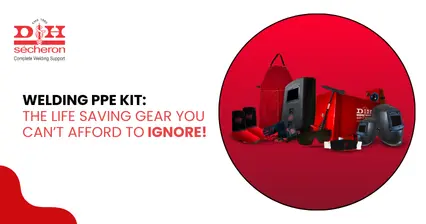
27 June 2026 | Welding
Piston Repair for Mining Industry: Reduce Downtime with LoTherme 468 Welding Electrodes.webp)
.webp)
.webp)

27 June 2026 | Welding
Welding Helmets & Goggles: Essential Welding Safety Equipment for Industrial Welders.webp)

.jpg)

27 June 2026 | Welding
Top 5 Advantages of Flux Cored Arc Welding for Heavy-Duty Applications.png)
27 June 2026 | Welding
5 Reasons Why 7018 Electrode is the Gold Standard for Welding Professionals
27 June 2026 | Welding
Revitalising Power Plant Efficiency: The Role of LoTherme 470M in Drive Shaft Repairs.webp)


27 June 2026 | Welding
How to Weld Ferritic Stainless Steel: Complete Guide for SMAW & Arc Welding


