


Navigating the Realm of Welding Consumables: Diversity and Applications
Introduction
The significance of welding consumables in welding processes cannot be overstated, as they are instrumental in creating the weld joint that binds metals together. These consumables, comprising filler wires, electrodes, fluxes, and gasses, undergo melting during welding, contributing to the formation of a robust weld. This exploration delves into the realm of welding consumables, shedding light on their types, applications, and their pivotal role in the success of welding projects.
I. Diverse World of Filler Wires
Filler wires, essential welding consumables, find application in various welding processes, including the widely used TIG (Tungsten Inert Gas) welding. These wires are introduced into the welding arc to bridge the gap between the joined pieces, earning them the ‘filler’ designation. Diverse compositions cater to specific applications and the welding of particular metals.
For example, low alloy steel filler wires are preferred for welding low alloy steel materials. These wires incorporate alloying elements like chromium, molybdenum, and nickel, enhancing strength and wear resistance. This makes them particularly suitable for applications demanding high strength and durability.
II. TIG Welding Unveiled
TIG welding stands out as a popular welding process leveraging a non-consumable tungsten electrode to create welds. Shielding the electrode and the weld area from atmospheric contamination is achieved using an inert shielding gas, typically argon. While some welds, termed autogenous welds, do not require filler metal, a filler is often employed in TIG welding.
TIG welding’s versatility is a key advantage, enabling the welding of a broader spectrum of metals and alloys compared to other welding processes. This versatility has made it a preferred choice in diverse applications, spanning automotive, aerospace, pipelines, and nuclear reactors.
III. Electrodes: Vital Welding Consumables
Another critical category of welding consumables is electrodes, employed in various welding methods, including stick welding and TIG welding. Electrodes exist in coated forms, like stick electrodes, or uncoated, exemplified by tungsten electrodes used in TIG welding. Coated electrodes serve multiple purposes, such as stabilizing the arc, safeguarding molten metal from atmospheric gasses, and potentially introducing alloying elements to the weld.
IV. Welding Consumables in Action: Applications
The practical applications of welding consumables span various industries:
- Construction Industry: Filler wires and electrodes contribute to welding structural steel, ensuring the strength and durability essential for building and infrastructure construction.
- Automotive Industry: Welding consumables play a crucial role in welding vehicle parts, including frames and body panels, ensuring the safety and reliability of automobiles.
- Oil and Gas Industry: In the oil and gas sector, welding consumables are integral for welding pipelines and infrastructure, ensuring the safe and efficient transportation of oil and gas.
A comprehensive grasp of welding consumables is indispensable for anyone engaged in the welding industry. These consumables serve as linchpins in creating resilient and enduring welds across diverse applications and industries. As technological advancements continue to unfold, we anticipate witnessing further innovation and development in the dynamic field of welding consumables.


27 June 2026 | Welding
Welding Safety Guidelines: 10 Essential Tips Every Welder Must Follow
.jpg)


27 June 2026 | Welding
An In-Depth Exploration of Low-Alloy Steel: Your Comprehensive Guide


27 June 2026 | Welding
Nagpur - Bori - Tuljapur Road MSH-3 in Yavatmal District (Maharashtra)
27 June 2026 | Welding
3 Tips for Finding the Best Mild Steel Electrode for Your Application


27 June 2026 | Welding
How to Choose a Flux Cored Wire (FCAW Wire) – Complete Buying & Selection Guide


27 June 2026 | Welding
Low Hydrogen Electrodes: Storage, Baking, and Best Practices for High-Quality Welds.jpg)
27 June 2026 | Welding
How to Select the Right Welding Filler Wires for Stainless Steel Welding?


27 June 2026 | Welding
Building the Narendra Modi Stadium with Norma V and Autotherme-1 Electrodes
27 June 2026 | Welding
Understanding Gas Welding: Process, Applications, Advantages & Disadvantages


27 June 2026 | Welding
Low Alloy Steel Welding in a (PEB) Pre Engineered Building Structure
.jpg)
27 June 2026 | Welding
How to Prevent Hydrogen Cracking in Welding: Expert Guide to High-Quality Welds

.jpg)
27 June 2026 | Welding
Welding Rods: Different Types and Tips for Properly Storing and Handling
.jpg)
27 June 2026 | Welding
Tips for Flawless Welds with Stainless Steel Electrodes: Pros and Cons


27 June 2026 | Welding
Exploring Applications and Benefits of Stainless Steel Welding Electrodes


27 June 2026 | Welding
The Complete Welding Machine Maintenance Checklist: Keep Your Equipment Running 24/7
.jpg)
.jpg)

27 June 2026 | Welding
Welding Basics: Joining Metals with Heat and Pressure - A Beginners Guide
27 June 2026 | Welding
Forehand vs. Backhand Welding Techniques: Choosing the Right Method
.webp)
27 June 2026 | Welding
Welding Innovations to Improve Manufacturing Productivity & Quality.jpg)
.jpg)
.webp)
.jpg)


27 June 2026 | Welding
Distinguishing Low-Alloy Steel from High-Alloy Steel: Understanding the Variations
27 June 2026 | Welding
Hardfacing Welding Process Types, Wires, Electrodes and Applications


27 June 2026 | Welding
Weathering Steel vs. Traditional Steel: A Comparative Analysis of Performance


27 June 2026 | Welding
Choosing the Right Welding Rod: Why 6013 Electrodes Might Be Your Ideal Option
27 June 2026 | Welding
Exploring Submerged Arc Welding: Process, Advantages, and Limitations

27 June 2026 | Welding
Why Stainless Steel Welding Electrodes Are Essential for Industrial Welding


27 June 2026 | Welding
Why 7018 Electrodes Are Preferred for High-Strength Welds in Pipeline Construction
27 June 2026 | Welding
Understanding Weathering Steel: Characteristics, Advantages, and Common Applications
27 June 2026 | Welding
Filler Wire vs. Stainless Steel Filler Wire: Understanding the Key Differences
27 June 2026 | Welding
What are Mild Steel Electrodes? A Detailed Explanation of Different Types with Examples

27 June 2026 | Welding
Exploring the Impact of Filler Material on Welding Quality and Durability
27 June 2026 | Welding
Choosing the Right Cast Iron Electrode for Different Welding Projects


27 June 2026 | Welding
Top Advantages of Cast Iron Electrodes for Industrial Welding Applications

.png)
27 June 2026 | Welding
Key Benefits and Challenges of Using TIG Welding in Industrial Projects
27 June 2026 | Welding
Lotherme-601: A Game-Changer for Restoring Shoulder Pins in Heavy Machinery


.webp)
27 June 2026 | Welding
Welding PPE Kit Essential Welding Safety Equipment for Maximum Protection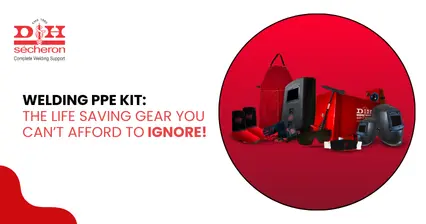
27 June 2026 | Welding
Piston Repair for Mining Industry: Reduce Downtime with LoTherme 468 Welding Electrodes.webp)
.webp)
.webp)

27 June 2026 | Welding
Welding Helmets & Goggles: Essential Welding Safety Equipment for Industrial Welders.webp)

.jpg)

27 June 2026 | Welding
Top 5 Advantages of Flux Cored Arc Welding for Heavy-Duty Applications.png)
27 June 2026 | Welding
5 Reasons Why 7018 Electrode is the Gold Standard for Welding Professionals
27 June 2026 | Welding
Revitalising Power Plant Efficiency: The Role of LoTherme 470M in Drive Shaft Repairs.webp)


27 June 2026 | Welding
How to Weld Ferritic Stainless Steel: Complete Guide for SMAW & Arc Welding


