


Table of Contents
-
Introduction
-
Causes of Cooler Section & Dam Ring Failure
-
The Repair Challenge
-
Choosing the Right Welding Solution
-
LoTherme 352: Solution Overview
-
Rotary Kiln Welding Repair Process
-
Why LoTherme 352 Works
-
Results & Benefits
-
Rotary Kiln Maintenance Best Practices
-
Why D&H Sécheron
-
Key Takeaways
Introduction: Why Rotary Kiln Repairs Demand Specialised Welding Solutions
Rotary kilns play a critical role in industries such as cement manufacturing, oil refining, and petrochemicals, where materials are processed under extremely high temperatures and continuous mechanical stress. Any disruption in kiln performance directly affects productivity, energy efficiency, and operating costs.
Among the most failure-prone areas of a kiln is the cooler section, which is essential for controlled heat transfer and equipment longevity. When components such as the dam ring wear out, plants face efficiency losses, higher fuel consumption, and the risk of unplanned shutdowns.
This is where specialised rotary kiln repair and kiln maintenance welding solutions become essential. Standard welding consumables often fail in such demanding environments, making the right electrode selection critical for long-term performance and reliability.
Common Causes of Cooler Section & Dam Ring Failure in Rotary Kilns
Damage to the cooler section and the dam ring is rarely due to a single factor. Instead, it is the result of prolonged exposure to multiple harsh operating conditions.
Key causes include:
-
Thermal cycling and extreme heat exposure:
Continuous heating and cooling cause expansion and contraction, leading to material fatigue
-
Mechanical wear on dam rings:
Constant rotation and material movement accelerate surface erosion
-
Operational stress and material abrasion:
Heavy loads and abrasive feed materials further degrade components
Over time, these factors make dam ring repair in rotary kilns unavoidable and highlight the importance of structured rotary kiln maintenance services and clearly defined practices on how to maintain a rotary kiln effectively.
The Challenge - Damaged Dam Ring in the Rotary Kiln Cooler Section
In this case, the rotary kiln exhibited clear performance issues due to a severely worn dam ring in the cooler section.
Challenges observed included:
-
Reduced kiln efficiency and unstable temperature control
-
Increased energy consumption and process inconsistency
-
High risk of unplanned downtime, which can result in significant financial losses
Delaying repair not only increases operational risk but also escalates overall maintenance costs, making timely industrial rotary kiln repair essential.
Selecting the Right Welding Solution for Rotary Kiln Repair
Repairing high-temperature kiln components requires more than conventional welding electrodes.
Why standard electrodes fail:
-
Inadequate resistance to high heat
-
Higher risk of cracking and weld failure
-
Poor ductility under continuous stress
Key requirements for kiln repair welding electrodes:
-
High tensile strength and crack resistance
-
Excellent ductility and impact resistance
-
Proven performance in extreme thermal environments
This makes the choice of a high-temperature welding electrode and a reliable welding electrode for rotary kiln repair critical to repair success.
Solution Overview - Rotary Kiln Cooler Section Repair Using LoTherme 352
To address the damaged dam ring, D&H Sécheron selected LoTherme 352, a hydrogen-controlled welding electrode engineered for heavy-duty industrial repairs.
Why LoTherme 352 was selected:
-
Designed for high-stress, high-temperature applications
-
Produces crack-free, radiographic-quality welds
-
Suitable for critical components in rotary kilns and similar equipment
This made it an ideal choice for rotary kiln cooler section repair and long-term performance assurance.
Step-by-Step Rotary Kiln Welding Repair Process
-
Removal of Worn-Out Dam Ring
The damaged dam ring was carefully removed using controlled gas cutting to ensure precision and prevent secondary damage.
-
Surface Preparation for High-Strength Welding
The exposed surface was thoroughly cleaned to remove oil, grease, rust, and contaminants, an essential step in kiln shutdown maintenance welding.
-
Welding Application Using LoTherme 352
Experienced welders applied LoTherme 352 using recommended welding parameters, ensuring optimal penetration, strength, and durability during the rotary kiln welding repair.
-
Quality Inspection & Dye Penetrant Testing
A dye penetrant (DP) test was conducted to verify weld integrity, confirming a defect-free and reliable repair.
Why LoTherme 352 Is Ideal for Rotary Kiln Maintenance
LoTherme 352 stands out as a hydrogen-controlled welding electrode designed for demanding industrial environments.
Key performance benefits:
-
High tensile strength (550 MPa) for superior load handling
-
Excellent ductility (28% elongation) to withstand thermal cycling
-
Reliable performance in high-stress, high-temperature zones
These characteristics make it a trusted solution among welding consumables for rotary kiln maintenance and repair applications.
Results & Operational Benefits Achieved
The repair delivered measurable operational advantages:
-
Reduced downtime, enabling faster return to production
-
Extended component life, lowering long-term maintenance frequency
-
Cost savings through preventive repair and improved efficiency
This case demonstrates how the right rotary kiln welding solutions can significantly enhance plant reliability.
Best Practices for Long-Term Rotary Kiln Maintenance
To maximise kiln lifespan and minimise failures, industries should focus on:
-
Proactive inspection of cooler sections and wear components
-
Using proven welding consumables for rotary kiln applications
-
Partnering with experts who understand how to maintain a rotary kiln effectively
Preventive strategies consistently outperform reactive repairs in cost and reliability.
Why Choose D&H Sécheron for Industrial Rotary Kiln Repair Solutions
D&H Sécheron brings decades of expertise in industrial rotary kiln repair and maintenance welding solutions.
What sets D&H Sécheron apart:
-
Deep technical knowledge of high-temperature industrial repairs
-
Proven case studies across the cement, oil, and petrochemical sectors
-
Trusted portfolio of LoTherme welding consumables
Their solutions are engineered to perform where standard products fail.
Conclusion
Timely rotary kiln repair using proven rotary kiln welding solutions and the right welding electrode for rotary kiln repair is critical to minimise downtime and extend equipment life. Structured rotary kiln maintenance services, supported by reliable welding consumables for rotary kiln applications, enable effective and long-term reliability.
By following best practices and adopting robust kiln maintenance welding solutions, plants can achieve consistent performance. With high-performance solutions for industrial rotary kiln repair, D&H Sécheron supports reliable and consistent operation across demanding high-temperature applications.
Key Takeaways
-
Rotary kiln repair is critical to maintaining productivity and energy efficiency
-
Cooler section and dam ring failures significantly impact operational costs
-
LoTherme 352 is a proven solution for high-temperature kiln repairs
-
Structured rotary kiln maintenance services reduce downtime and extend equipment life
-
Partnering with D&H Sécheron ensures reliable, long-term results


27 June 2026 | Welding
Welding Safety Guidelines: 10 Essential Tips Every Welder Must Follow
.jpg)


27 June 2026 | Welding
An In-Depth Exploration of Low-Alloy Steel: Your Comprehensive Guide


27 June 2026 | Welding
Nagpur - Bori - Tuljapur Road MSH-3 in Yavatmal District (Maharashtra)
27 June 2026 | Welding
3 Tips for Finding the Best Mild Steel Electrode for Your Application


27 June 2026 | Welding
How to Choose a Flux Cored Wire (FCAW Wire) – Complete Buying & Selection Guide


27 June 2026 | Welding
Low Hydrogen Electrodes: Storage, Baking, and Best Practices for High-Quality Welds.jpg)
27 June 2026 | Welding
How to Select the Right Welding Filler Wires for Stainless Steel Welding?


27 June 2026 | Welding
Building the Narendra Modi Stadium with Norma V and Autotherme-1 Electrodes
27 June 2026 | Welding
Understanding Gas Welding: Process, Applications, Advantages & Disadvantages


27 June 2026 | Welding
Low Alloy Steel Welding in a (PEB) Pre Engineered Building Structure
.jpg)
27 June 2026 | Welding
How to Prevent Hydrogen Cracking in Welding: Expert Guide to High-Quality Welds

.jpg)
27 June 2026 | Welding
Welding Rods: Different Types and Tips for Properly Storing and Handling
.jpg)
27 June 2026 | Welding
Tips for Flawless Welds with Stainless Steel Electrodes: Pros and Cons


27 June 2026 | Welding
Exploring Applications and Benefits of Stainless Steel Welding Electrodes


27 June 2026 | Welding
The Complete Welding Machine Maintenance Checklist: Keep Your Equipment Running 24/7
.jpg)
.jpg)

27 June 2026 | Welding
Welding Basics: Joining Metals with Heat and Pressure - A Beginners Guide
27 June 2026 | Welding
Forehand vs. Backhand Welding Techniques: Choosing the Right Method
.webp)
27 June 2026 | Welding
Welding Innovations to Improve Manufacturing Productivity & Quality.jpg)
.jpg)
.webp)
.jpg)


27 June 2026 | Welding
Distinguishing Low-Alloy Steel from High-Alloy Steel: Understanding the Variations
27 June 2026 | Welding
Hardfacing Welding Process Types, Wires, Electrodes and Applications


27 June 2026 | Welding
Weathering Steel vs. Traditional Steel: A Comparative Analysis of Performance


27 June 2026 | Welding
Choosing the Right Welding Rod: Why 6013 Electrodes Might Be Your Ideal Option
27 June 2026 | Welding
Exploring Submerged Arc Welding: Process, Advantages, and Limitations

27 June 2026 | Welding
Why Stainless Steel Welding Electrodes Are Essential for Industrial Welding


27 June 2026 | Welding
Why 7018 Electrodes Are Preferred for High-Strength Welds in Pipeline Construction
27 June 2026 | Welding
Understanding Weathering Steel: Characteristics, Advantages, and Common Applications
27 June 2026 | Welding
Filler Wire vs. Stainless Steel Filler Wire: Understanding the Key Differences
27 June 2026 | Welding
What are Mild Steel Electrodes? A Detailed Explanation of Different Types with Examples

27 June 2026 | Welding
Exploring the Impact of Filler Material on Welding Quality and Durability
27 June 2026 | Welding
Choosing the Right Cast Iron Electrode for Different Welding Projects


27 June 2026 | Welding
Top Advantages of Cast Iron Electrodes for Industrial Welding Applications

.png)
27 June 2026 | Welding
Key Benefits and Challenges of Using TIG Welding in Industrial Projects
27 June 2026 | Welding
Lotherme-601: A Game-Changer for Restoring Shoulder Pins in Heavy Machinery


.webp)
27 June 2026 | Welding
Welding PPE Kit Essential Welding Safety Equipment for Maximum Protection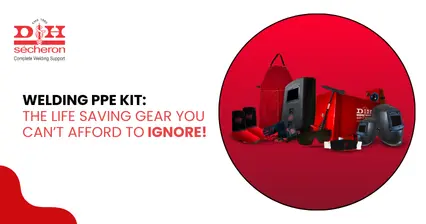
27 June 2026 | Welding
Piston Repair for Mining Industry: Reduce Downtime with LoTherme 468 Welding Electrodes.webp)
.webp)
.webp)

27 June 2026 | Welding
Welding Helmets & Goggles: Essential Welding Safety Equipment for Industrial Welders.webp)

.jpg)

27 June 2026 | Welding
Top 5 Advantages of Flux Cored Arc Welding for Heavy-Duty Applications.png)
27 June 2026 | Welding
5 Reasons Why 7018 Electrode is the Gold Standard for Welding Professionals
27 June 2026 | Welding
Revitalising Power Plant Efficiency: The Role of LoTherme 470M in Drive Shaft Repairs.webp)


27 June 2026 | Welding
How to Weld Ferritic Stainless Steel: Complete Guide for SMAW & Arc Welding


