

Shielded Metal Arc Welding (SMAW) is a manual arc welding process. The metal rod is covered with flux which provides the shielding to protect the weld. Given that SMAW is tough to master as it needs practice and experience, it could be difficult for beginners.
Here are some tips for beginners to handle SMAW welding like a pro.
Choose SMAW-Friendly Steel
Low-alloy and carbon steels can crack easily if they do not have the right mix of silicon and sulphur content. Similarly, steels which have high sulphur and phosphorous content are also not suitable for production welding. Hence, select steels which can be welded at fast speeds and have lower cracking tendency.
Prevent Buildup and Overwelding
Surplus buildup is expensive in terms of time and material. Moreover, it contributes hardly anything to weld strength. It also increases distortion. Hence, make sure that the fillets have equal legs and bead surface is as flat as possible. Ideally, buildup should not exceed 1/16 inches.
Select the Right Electrode Size
Large electrodes are suitable for welding which require high currents for high deposition rates. Hence, it is recommended to use the largest electrode, depending on your application and consistency with good weld quality.
Clean the Joint Before Welding
Removal of excess grease, paint, oil, rust, moisture and scale is necessary to prevent porosity and obtain the ideal weld travel speed. In case you are unable to clean these elements, use types of electrodes that can penetrate contaminants and deeply into the base metal.
Match the Joint Position and Electrode with Metal
The position of joint is responsible for finished weld quality. If you overweld or create a weld that is bigger than necessary for joint strength, then it can cause burn-through. Hence, take due care to match the joint position and electrode with metal during SMAW welding.
Adhere to the Principles for Joint Geometry and Fit-Up
Keep in mind the fast welding speed and good weld quality while choosing weld dimensions. The joint geometry follows some basic principles:
Fit-up and the entire joint must be consistent with each other.
Use a bevel that assists in good bead shape and penetration.
Choose a root opening which is consistent with the diameter of electrode.
Use a root face or a back up strip for fast welding and high quality.
As far as troubleshooting weld defects are concerned, here are some ways to correct them:
Wet electrodes
Spatter
Wandering arc
Undercutting
Cracking
Porosity
Shallow penetration
Proper fusion
We hope these guidelines, advice and troubleshooting tips will help you to work your way through SMAW welding.


27 June 2026 | Welding
Welding Safety Guidelines: 10 Essential Tips Every Welder Must Follow
.jpg)


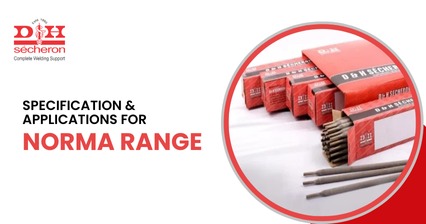
27 June 2026 | Welding
An In-Depth Exploration of Low-Alloy Steel: Your Comprehensive Guide


27 June 2026 | Welding
Nagpur - Bori - Tuljapur Road MSH-3 in Yavatmal District (Maharashtra)
27 June 2026 | Welding
3 Tips for Finding the Best Mild Steel Electrode for Your Application


27 June 2026 | Welding
How to Choose a Flux Cored Wire (FCAW Wire) – Complete Buying & Selection Guide


27 June 2026 | Welding
Low Hydrogen Electrodes: Storage, Baking, and Best Practices for High-Quality Welds.jpg)
27 June 2026 | Welding
How to Select the Right Welding Filler Wires for Stainless Steel Welding?


27 June 2026 | Welding
Building the Narendra Modi Stadium with Norma V and Autotherme-1 Electrodes
27 June 2026 | Welding
Understanding Gas Welding: Process, Applications, Advantages & Disadvantages


27 June 2026 | Welding
Low Alloy Steel Welding in a (PEB) Pre Engineered Building Structure
.jpg)
27 June 2026 | Welding
How to Prevent Hydrogen Cracking in Welding: Expert Guide to High-Quality Welds

.jpg)
27 June 2026 | Welding
Welding Rods: Different Types and Tips for Properly Storing and Handling
.jpg)
27 June 2026 | Welding
Tips for Flawless Welds with Stainless Steel Electrodes: Pros and Cons


27 June 2026 | Welding
Exploring Applications and Benefits of Stainless Steel Welding Electrodes


27 June 2026 | Welding
The Complete Welding Machine Maintenance Checklist: Keep Your Equipment Running 24/7
.jpg)
.jpg)

27 June 2026 | Welding
Welding Basics: Joining Metals with Heat and Pressure - A Beginners Guide
27 June 2026 | Welding
Forehand vs. Backhand Welding Techniques: Choosing the Right Method
.webp)
27 June 2026 | Welding
Welding Innovations to Improve Manufacturing Productivity & Quality.jpg)
.jpg)
.webp)
.jpg)


27 June 2026 | Welding
Distinguishing Low-Alloy Steel from High-Alloy Steel: Understanding the Variations
27 June 2026 | Welding
Hardfacing Welding Process Types, Wires, Electrodes and Applications


27 June 2026 | Welding
Weathering Steel vs. Traditional Steel: A Comparative Analysis of Performance


27 June 2026 | Welding
Choosing the Right Welding Rod: Why 6013 Electrodes Might Be Your Ideal Option
27 June 2026 | Welding
Exploring Submerged Arc Welding: Process, Advantages, and Limitations

27 June 2026 | Welding
Why Stainless Steel Welding Electrodes Are Essential for Industrial Welding


27 June 2026 | Welding
Why 7018 Electrodes Are Preferred for High-Strength Welds in Pipeline Construction
27 June 2026 | Welding
Understanding Weathering Steel: Characteristics, Advantages, and Common Applications
27 June 2026 | Welding
Filler Wire vs. Stainless Steel Filler Wire: Understanding the Key Differences
27 June 2026 | Welding
What are Mild Steel Electrodes? A Detailed Explanation of Different Types with Examples

27 June 2026 | Welding
Exploring the Impact of Filler Material on Welding Quality and Durability
27 June 2026 | Welding
Choosing the Right Cast Iron Electrode for Different Welding Projects


27 June 2026 | Welding
Top Advantages of Cast Iron Electrodes for Industrial Welding Applications

.png)
27 June 2026 | Welding
Key Benefits and Challenges of Using TIG Welding in Industrial Projects
27 June 2026 | Welding
Lotherme-601: A Game-Changer for Restoring Shoulder Pins in Heavy Machinery


.webp)
27 June 2026 | Welding
Welding PPE Kit Essential Welding Safety Equipment for Maximum Protection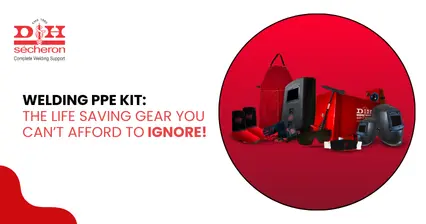
27 June 2026 | Welding
Piston Repair for Mining Industry: Reduce Downtime with LoTherme 468 Welding Electrodes.webp)
.webp)
.webp)

27 June 2026 | Welding
Welding Helmets & Goggles: Essential Welding Safety Equipment for Industrial Welders.webp)

.jpg)

27 June 2026 | Welding
Top 5 Advantages of Flux Cored Arc Welding for Heavy-Duty Applications.png)
27 June 2026 | Welding
5 Reasons Why 7018 Electrode is the Gold Standard for Welding Professionals
27 June 2026 | Welding
Revitalising Power Plant Efficiency: The Role of LoTherme 470M in Drive Shaft Repairs.webp)


27 June 2026 | Welding
How to Weld Ferritic Stainless Steel: Complete Guide for SMAW & Arc Welding


