

 TIG welding (Tungsten Inert Gas Welding) is an extensively used method across industries that value precision, durability, and adaptability. Unlike other welding methods, TIG welding is a controlled method that produces high-quality, clean, and contamination-free welds. The success of this method relies heavily on the use of the right consumables, including the proper welding rods and electrodes (there are many types, like stainless steel, nickel, aluminium, etc., so opt carefully).
Let’s take a look at the benefits TIG welding provides when used in industrial applications.
1. Enhanced Precision in Welding
TIG welding truly stands out the most for this aspect. It allows the welder to manage every single aspect of the weld, creating desired results. This precision is crucial, especially when working on delicate and intricate projects.
Using a suitable welding electrode enhances TIG welding’s precision and provides consistent arc stability. Industries like aerospace and medical devices, where even a minute error can have critical outcomes, prefer this technique.
2. Superior Weld Quality
As every detail of the weld is controlled, the end result is defect-free. The shielding gas used in TIG welding shields the weld area, minimising contamination and resulting in sturdy joints.
An excellent choice of electrode for better quality is a nickel electrode. It offers great weldability and corrosion resistance. This particular combination can be widely seen in industries like petrochemicals and power generation, where environments are harsher.
3. Versatility Across Materials
TIG welding can be used with various metals, including steel, nickel, and alloys. This makes it a great choice where various materials are used simultaneously.
Using the correct welding rod ensures that the base material and weld are compatible. For example, stainless steel electrodes are ideal for projects requiring heat and corrosion resistance, making them popular choices in the pharmaceutical and food processing industries.
4. Strong and Durable Welds
TIG welding provides a deeper penetration of the weld pool, resulting in long-lasting welds. However, the choice of electrodes can significantly affect the weld’s strength. Using high-quality consumables customised for your project requirements is the best choice.
5. Minimal Spatter and Clean Finish
TIG welding is known for its professional and tidy finish. Unlike the other welding methods, TIG welding produces minimal to no splatter. It reduces the need for a post-welding cleaning. This advantage enhances the weld’s aesthetic appeal and saves time in the clean-up process.
With the various benefits TIG welding presents, it is a go-to method for industrial applications. Its unmatched precision, versatility, and neat results make it a reliable solution for complex projects. To enhance the weld’s success, make sure you choose the right consumables, like welding rods and electrodes, to create a strong and appealing weld.
Are you ready to upgrade your welding game with TIG welding for your project? Then reach out to D&H Sécheron’s experts to receive expert guidance on how to choose the right consumables and utilise them in your next project for the best results.


27 June 2026 | Welding
Welding Safety Guidelines: 10 Essential Tips Every Welder Must Follow
.jpg)


27 June 2026 | Welding
An In-Depth Exploration of Low-Alloy Steel: Your Comprehensive Guide


27 June 2026 | Welding
Nagpur - Bori - Tuljapur Road MSH-3 in Yavatmal District (Maharashtra)
27 June 2026 | Welding
3 Tips for Finding the Best Mild Steel Electrode for Your Application


27 June 2026 | Welding
How to Choose a Flux Cored Wire (FCAW Wire) – Complete Buying & Selection Guide


27 June 2026 | Welding
Low Hydrogen Electrodes: Storage, Baking, and Best Practices for High-Quality Welds.jpg)
27 June 2026 | Welding
How to Select the Right Welding Filler Wires for Stainless Steel Welding?


27 June 2026 | Welding
Building the Narendra Modi Stadium with Norma V and Autotherme-1 Electrodes
27 June 2026 | Welding
Understanding Gas Welding: Process, Applications, Advantages & Disadvantages


27 June 2026 | Welding
Low Alloy Steel Welding in a (PEB) Pre Engineered Building Structure
.jpg)
27 June 2026 | Welding
How to Prevent Hydrogen Cracking in Welding: Expert Guide to High-Quality Welds

.jpg)
27 June 2026 | Welding
Welding Rods: Different Types and Tips for Properly Storing and Handling
.jpg)
27 June 2026 | Welding
Tips for Flawless Welds with Stainless Steel Electrodes: Pros and Cons


27 June 2026 | Welding
Exploring Applications and Benefits of Stainless Steel Welding Electrodes


27 June 2026 | Welding
The Complete Welding Machine Maintenance Checklist: Keep Your Equipment Running 24/7
.jpg)
.jpg)

27 June 2026 | Welding
Welding Basics: Joining Metals with Heat and Pressure - A Beginners Guide
27 June 2026 | Welding
Forehand vs. Backhand Welding Techniques: Choosing the Right Method
.webp)
27 June 2026 | Welding
Welding Innovations to Improve Manufacturing Productivity & Quality.jpg)
.jpg)
.webp)
.jpg)


27 June 2026 | Welding
Distinguishing Low-Alloy Steel from High-Alloy Steel: Understanding the Variations
27 June 2026 | Welding
Hardfacing Welding Process Types, Wires, Electrodes and Applications


27 June 2026 | Welding
Weathering Steel vs. Traditional Steel: A Comparative Analysis of Performance


27 June 2026 | Welding
Choosing the Right Welding Rod: Why 6013 Electrodes Might Be Your Ideal Option
27 June 2026 | Welding
Exploring Submerged Arc Welding: Process, Advantages, and Limitations

27 June 2026 | Welding
Why Stainless Steel Welding Electrodes Are Essential for Industrial Welding


27 June 2026 | Welding
Why 7018 Electrodes Are Preferred for High-Strength Welds in Pipeline Construction
27 June 2026 | Welding
Understanding Weathering Steel: Characteristics, Advantages, and Common Applications
27 June 2026 | Welding
Filler Wire vs. Stainless Steel Filler Wire: Understanding the Key Differences
27 June 2026 | Welding
What are Mild Steel Electrodes? A Detailed Explanation of Different Types with Examples

27 June 2026 | Welding
Exploring the Impact of Filler Material on Welding Quality and Durability
27 June 2026 | Welding
Choosing the Right Cast Iron Electrode for Different Welding Projects


27 June 2026 | Welding
Top Advantages of Cast Iron Electrodes for Industrial Welding Applications

.png)
27 June 2026 | Welding
Key Benefits and Challenges of Using TIG Welding in Industrial Projects
27 June 2026 | Welding
Lotherme-601: A Game-Changer for Restoring Shoulder Pins in Heavy Machinery


.webp)
27 June 2026 | Welding
Welding PPE Kit Essential Welding Safety Equipment for Maximum Protection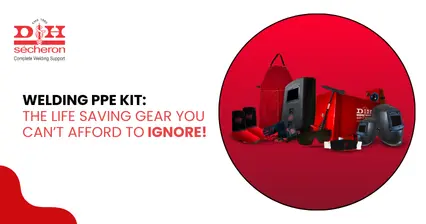
27 June 2026 | Welding
Piston Repair for Mining Industry: Reduce Downtime with LoTherme 468 Welding Electrodes.webp)
.webp)
.webp)

27 June 2026 | Welding
Welding Helmets & Goggles: Essential Welding Safety Equipment for Industrial Welders.webp)

.jpg)

27 June 2026 | Welding
Top 5 Advantages of Flux Cored Arc Welding for Heavy-Duty Applications.png)
27 June 2026 | Welding
5 Reasons Why 7018 Electrode is the Gold Standard for Welding Professionals
27 June 2026 | Welding
Revitalising Power Plant Efficiency: The Role of LoTherme 470M in Drive Shaft Repairs.webp)


27 June 2026 | Welding
How to Weld Ferritic Stainless Steel: Complete Guide for SMAW & Arc Welding


