

The Charkop-Bandra-Mankhurd Metro Corridor: Navigating the Bustling Streets of Mumbai with Ease
Mumbai, the bustling and vibrant city of India, is famous for its fast-paced life and vibrant culture. However, for years, commuting within the city has been a challenging task due to heavy traffic and overcrowding. To address this issue, the Mumbai Metropolitan Region Development Authority (MMRDA) has developed an extensive metro network that connects various parts of the city and the suburbs. One of the most significant additions to this network is the Charkop-Bandra-Mankhurd corridor, which has revolutionized commuting in Mumbai.
The Mumbai Metro is a rapid transit system that spans across the city, providing a convenient and efficient mode of transportation for millions of Mumbaikars. The Charkop-Bandra-Mankhurd corridor, also known as Metro Line 2, is a much-anticipated addition to the Mumbai Metro network, and it promises to make commuting in the western suburbs of Mumbai a breeze.
With the Charkop-Bandra-Mankhurd corridor, residents and visitors alike can enjoy a smooth and comfortable journey, saving precious time and avoiding the hassles of road traffic. This 32.5-kilometre-long corridor is set to connect the bustling neighbourhoods of Charkop, Malad, Kandivali, Goregaon, Bandra, and Mankhud, providing seamless connectivity and improving the overall commuting experience for millions of people.
The Charkop-Bandra-Mankhurd corridor encompasses modern and state-of-the-art infrastructure. The metro stations along the corridor are equipped with world-class facilities, including elevators, escalators, and spacious platforms that ensure smooth boarding and deboarding. The stations are also designed to be accessible to people with disabilities, making the metro system inclusive for all.
The metro line is also expected to have a positive impact on the environment. With more people opting for metro travel over private vehicles, it is likely to reduce the carbon footprint of the city by curbing vehicular emissions. This will contribute to making Mumbai a greener and more sustainable city.
One of the biggest advantages of the Charkop-Bandra-Mankhurd corridor is its ability to significantly reduce travel time. The metro is expected to operate at a high frequency, ensuring quick and efficient travel between the western suburbs of Mumbai. This will not only save time for commuters but also boost productivity and enhance the overall quality of life for residents.
The Charkop-Bandra-Mankhurd corridor will also boost the local economy. The improved connectivity is likely to spur economic activities in the surrounding areas, creating new opportunities for businesses and generating employment opportunities for the residents. The corridor is also expected to boost the real estate market in the vicinity, making it a lucrative option for investors and homebuyers.
As Mumbai continues to grow and evolve, the Charkop-Bandra-Mankhurd corridor is a much-needed addition to its public transportation network. It promises to offer a reliable, efficient, and sustainable mode of transportation for the millions of people who travel within the city every day.
So, whether you are a daily commuter, a tourist, or a resident of Mumbai, get ready to experience the convenience and comfort of the Charkop-Bandra-Mankhurd Metro corridor. Say goodbye to traffic jams and hello to a smooth and hassle-free commute. With its modern infrastructure, reduced travel time, and positive impact on the environment and local economy, the Mumbai Metro's Charkop-Bandra-Mankhurd corridor is truly a game-changer for the city's transportation landscape. Hop on board and enjoy the ride!


27 June 2026 | Welding
Welding Safety Guidelines: 10 Essential Tips Every Welder Must Follow


27 June 2026 | Welding
An In-Depth Exploration of Low-Alloy Steel: Your Comprehensive Guide


27 June 2026 | Welding
Nagpur - Bori - Tuljapur Road MSH-3 in Yavatmal District (Maharashtra)
27 June 2026 | Welding
3 Tips for Finding the Best Mild Steel Electrode for Your Application


27 June 2026 | Welding
How to Choose a Flux Cored Wire (FCAW Wire) – Complete Buying & Selection Guide


27 June 2026 | Welding
Low Hydrogen Electrodes: Storage, Baking, and Best Practices for High-Quality Welds.jpg)
27 June 2026 | Welding
How to Select the Right Welding Filler Wires for Stainless Steel Welding?


27 June 2026 | Welding
Building the Narendra Modi Stadium with Norma V and Autotherme-1 Electrodes
27 June 2026 | Welding
Understanding Gas Welding: Process, Applications, Advantages & Disadvantages


27 June 2026 | Welding
Low Alloy Steel Welding in a (PEB) Pre Engineered Building Structure
.jpg)
27 June 2026 | Welding
How to Prevent Hydrogen Cracking in Welding: Expert Guide to High-Quality Welds

.jpg)
27 June 2026 | Welding
Welding Rods: Different Types and Tips for Properly Storing and Handling
.jpg)
27 June 2026 | Welding
Tips for Flawless Welds with Stainless Steel Electrodes: Pros and Cons


27 June 2026 | Welding
Exploring Applications and Benefits of Stainless Steel Welding Electrodes


27 June 2026 | Welding
The Complete Welding Machine Maintenance Checklist: Keep Your Equipment Running 24/7
.jpg)
.jpg)

27 June 2026 | Welding
Welding Basics: Joining Metals with Heat and Pressure - A Beginners Guide
27 June 2026 | Welding
Forehand vs. Backhand Welding Techniques: Choosing the Right Method
.webp)
27 June 2026 | Welding
Welding Innovations to Improve Manufacturing Productivity & Quality.jpg)
.jpg)
.webp)
.jpg)


27 June 2026 | Welding
Distinguishing Low-Alloy Steel from High-Alloy Steel: Understanding the Variations
27 June 2026 | Welding
Hardfacing Welding Process Types, Wires, Electrodes and Applications


27 June 2026 | Welding
Weathering Steel vs. Traditional Steel: A Comparative Analysis of Performance


27 June 2026 | Welding
Choosing the Right Welding Rod: Why 6013 Electrodes Might Be Your Ideal Option
27 June 2026 | Welding
Exploring Submerged Arc Welding: Process, Advantages, and Limitations

27 June 2026 | Welding
Why Stainless Steel Welding Electrodes Are Essential for Industrial Welding


27 June 2026 | Welding
Why 7018 Electrodes Are Preferred for High-Strength Welds in Pipeline Construction
27 June 2026 | Welding
Understanding Weathering Steel: Characteristics, Advantages, and Common Applications
27 June 2026 | Welding
Filler Wire vs. Stainless Steel Filler Wire: Understanding the Key Differences
27 June 2026 | Welding
What are Mild Steel Electrodes? A Detailed Explanation of Different Types with Examples

27 June 2026 | Welding
Exploring the Impact of Filler Material on Welding Quality and Durability
27 June 2026 | Welding
Choosing the Right Cast Iron Electrode for Different Welding Projects


27 June 2026 | Welding
Top Advantages of Cast Iron Electrodes for Industrial Welding Applications

.png)
27 June 2026 | Welding
Key Benefits and Challenges of Using TIG Welding in Industrial Projects
27 June 2026 | Welding
Lotherme-601: A Game-Changer for Restoring Shoulder Pins in Heavy Machinery


.webp)
27 June 2026 | Welding
Welding PPE Kit Essential Welding Safety Equipment for Maximum Protection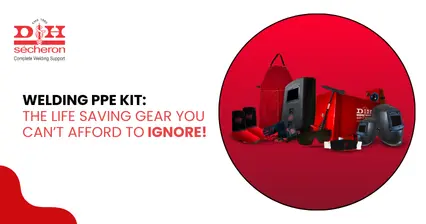
27 June 2026 | Welding
Piston Repair for Mining Industry: Reduce Downtime with LoTherme 468 Welding Electrodes.webp)
.webp)
.webp)

27 June 2026 | Welding
Welding Helmets & Goggles: Essential Welding Safety Equipment for Industrial Welders.webp)

.jpg)

27 June 2026 | Welding
Top 5 Advantages of Flux Cored Arc Welding for Heavy-Duty Applications.png)
27 June 2026 | Welding
5 Reasons Why 7018 Electrode is the Gold Standard for Welding Professionals
27 June 2026 | Welding
Revitalising Power Plant Efficiency: The Role of LoTherme 470M in Drive Shaft Repairs.webp)


27 June 2026 | Welding
How to Weld Ferritic Stainless Steel: Complete Guide for SMAW & Arc Welding


