


Heat Treatment on Creep-Resistant Steels
Creep-resistant steels are widely used in high-temperature applications as they are designed to withstand high temperatures and pressure for an extended period of time without experiencing any significant deformation or rupture. However, to achieve this level of performance, these steels require proper heat treatment.
In this blog, we will discuss the importance of heat treatment on creep-resistant steels, why it is necessary, and what the process involves. Before that, let us understand what creep resistance means.
What are the Metal Requirements to have Creep Resistance Properties?
Creep resistance is an essential property of metals used in high-temperature applications, such as aerospace and power generation. Metals with high creep resistance can withstand prolonged exposure to high temperatures without significant deformation or failure.
The primary requirements for metals to exhibit good creep resistance include high melting point, high strength, and resistance to oxidation and corrosion. Additionally, creep-resistant materials must have a fine and homogeneous grain structure that can resist the movement of dislocations under high temperatures and stresses.
What are Creep Resistant Steels?
Creep-resistant steels are a class of steel alloys designed to resist deformation and failure at high temperatures and pressure. These steels are used in applications where the temperature ranges from 550°C to 650°C and the pressure is above 50 bar.
Creep-resistant steels are typically divided into two categories: ferritic and austenitic. The ferritic category is more commonly used in power generation plants, while austenitic is used in chemical processing and petrochemical plants.
Why do Creep-Resistant Steels require Heat Treatment?
Creep-resistant steels require heat treatment to achieve their desired properties, such as high strength and resistance to deformation and failure at high temperatures and pressure.
The heat treatment process involves heating the steel to a specific temperature and holding it at that temperature for a certain period. This process allows the steel to achieve its desired microstructure and properties.
Heat treatment helps to improve their mechanical properties, such as strength, ductility, and toughness. Additionally, it helps to eliminate any internal stresses that may have developed during the manufacturing process, which can lead to the deformation and failure of the steel in service.
Heat Treatment for Creep-Resistant Steels
The heat treatment process for creep-resistant steels typically involves four types:
Preheating involves heating the material prior to welding or other high-temperature applications to reduce the risk of cracking and improve overall strength and durability.
Annealing involves heating the steel to temperatures between 760°C to 830°C to soften the steel and reduce any internal stresses that may have developed during manufacturing.
Normalising involves heating the steel to temperatures between 870°C to 910°C to refine the steel's microstructure and improve its mechanical properties.
Tempering involves heating the steel to temperatures between 600°C to 700°C to improve the steel's toughness and ductility.
Conclusion
Heat treatment is a crucial process for ensuring the performance and reliability of creep-resistant steels in high-temperature and high-pressure applications. It is vital for achieving the desired properties of creep-resistant steels, such as heat resistance, high strength, ductility, and overall toughness. Additionally, it eliminates any internal stresses and deformities that might have developed during the manufacturing of the steel.
And, if you are looking for reliable creep-resistant electrodes, look no further than D&H Sécheron's Electrodes for Creep-Resistant Steels. With controlled hardness, our electrodes produce creep-resistant welding deposits, making them an ideal choice for your welding needs.
Contact D&H Sécheron today to learn more about our comprehensive range of welding solutions.


27 June 2026 | Welding
Welding Safety Guidelines: 10 Essential Tips Every Welder Must Follow
.jpg)


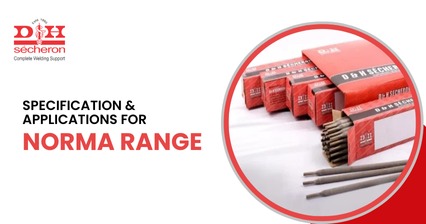
27 June 2026 | Welding
An In-Depth Exploration of Low-Alloy Steel: Your Comprehensive Guide


27 June 2026 | Welding
Nagpur - Bori - Tuljapur Road MSH-3 in Yavatmal District (Maharashtra)
27 June 2026 | Welding
3 Tips for Finding the Best Mild Steel Electrode for Your Application


27 June 2026 | Welding
How to Choose a Flux Cored Wire (FCAW Wire) – Complete Buying & Selection Guide


27 June 2026 | Welding
Low Hydrogen Electrodes: Storage, Baking, and Best Practices for High-Quality Welds.jpg)
27 June 2026 | Welding
How to Select the Right Welding Filler Wires for Stainless Steel Welding?


27 June 2026 | Welding
Building the Narendra Modi Stadium with Norma V and Autotherme-1 Electrodes
27 June 2026 | Welding
Understanding Gas Welding: Process, Applications, Advantages & Disadvantages


27 June 2026 | Welding
Low Alloy Steel Welding in a (PEB) Pre Engineered Building Structure
.jpg)
27 June 2026 | Welding
How to Prevent Hydrogen Cracking in Welding: Expert Guide to High-Quality Welds

.jpg)
27 June 2026 | Welding
Welding Rods: Different Types and Tips for Properly Storing and Handling
.jpg)
27 June 2026 | Welding
Tips for Flawless Welds with Stainless Steel Electrodes: Pros and Cons


27 June 2026 | Welding
Exploring Applications and Benefits of Stainless Steel Welding Electrodes


27 June 2026 | Welding
The Complete Welding Machine Maintenance Checklist: Keep Your Equipment Running 24/7
.jpg)
.jpg)

27 June 2026 | Welding
Welding Basics: Joining Metals with Heat and Pressure - A Beginners Guide
27 June 2026 | Welding
Forehand vs. Backhand Welding Techniques: Choosing the Right Method
27 June 2026 | Welding
Welding Innovations to Improve Manufacturing Productivity & Quality.jpg)
.jpg)
.webp)
.jpg)


27 June 2026 | Welding
Distinguishing Low-Alloy Steel from High-Alloy Steel: Understanding the Variations
27 June 2026 | Welding
Hardfacing Welding Process Types, Wires, Electrodes and Applications


27 June 2026 | Welding
Weathering Steel vs. Traditional Steel: A Comparative Analysis of Performance


27 June 2026 | Welding
Choosing the Right Welding Rod: Why 6013 Electrodes Might Be Your Ideal Option
27 June 2026 | Welding
Exploring Submerged Arc Welding: Process, Advantages, and Limitations

27 June 2026 | Welding
Why Stainless Steel Welding Electrodes Are Essential for Industrial Welding


27 June 2026 | Welding
Why 7018 Electrodes Are Preferred for High-Strength Welds in Pipeline Construction
27 June 2026 | Welding
Understanding Weathering Steel: Characteristics, Advantages, and Common Applications
27 June 2026 | Welding
Filler Wire vs. Stainless Steel Filler Wire: Understanding the Key Differences
27 June 2026 | Welding
What are Mild Steel Electrodes? A Detailed Explanation of Different Types with Examples

27 June 2026 | Welding
Exploring the Impact of Filler Material on Welding Quality and Durability
27 June 2026 | Welding
Choosing the Right Cast Iron Electrode for Different Welding Projects


27 June 2026 | Welding
Top Advantages of Cast Iron Electrodes for Industrial Welding Applications

.png)
27 June 2026 | Welding
Key Benefits and Challenges of Using TIG Welding in Industrial Projects
27 June 2026 | Welding
Lotherme-601: A Game-Changer for Restoring Shoulder Pins in Heavy Machinery


.webp)
27 June 2026 | Welding
Welding PPE Kit Essential Welding Safety Equipment for Maximum Protection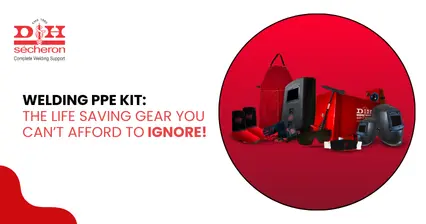
27 June 2026 | Welding
Piston Repair for Mining Industry: Reduce Downtime with LoTherme 468 Welding Electrodes.webp)
.webp)
.webp)

27 June 2026 | Welding
Welding Helmets & Goggles: Essential Welding Safety Equipment for Industrial Welders.webp)

.jpg)

27 June 2026 | Welding
Top 5 Advantages of Flux Cored Arc Welding for Heavy-Duty Applications.png)
27 June 2026 | Welding
5 Reasons Why 7018 Electrode is the Gold Standard for Welding Professionals
27 June 2026 | Welding
Revitalising Power Plant Efficiency: The Role of LoTherme 470M in Drive Shaft Repairs.webp)


27 June 2026 | Welding
How to Weld Ferritic Stainless Steel: Complete Guide for SMAW & Arc Welding


