

.jpg)
Table of Contents
-
Why Choosing the Right Filler Metal Matters
-
Key Considerations When Selecting Filler Metals
-
What Is a Welding Filler Metal? Types & Examples
-
Are Welds as Strong as Base Metals?
-
About D&H Sécheron’s Welding Consumables
-
Key Takeaways
Filler metals are essential to any welding operation. A welding filler metal is added during welding to create a strong bond between two metal workpieces. When heated, the filler material melts and flows into the joint, fusing the parts together as it solidifies.
The selection of the right filler metal in welding depends on multiple factors, including the metals being joined, the welding method used, and the application’s structural needs.
Why Choosing the Right Filler Metal Matters
The filler metal is the core welding material, determining joint strength, durability, and overall weld performance. The wrong filler can lead to weak welds, cracking, and premature failure.
Choosing the correct filler metal in welding ensures:
-
Strong, metallurgically sound joints
-
Compatibility with base metals
-
Resistance to corrosion and mechanical wear
-
A consistent, aesthetically pleasing finish
Key Considerations When Selecting Filler Metals
Here are essential points to remember when selecting filler materials:
-
Base Metal Compatibility: Ensure the filler metal complements the chemical and mechanical properties of the base material.
-
Welding Process: Pair your filler wire or electrode with the appropriate method, MIG, TIG, or stick welding.
-
Welding Position: Consider whether you’re welding overhead, flat, vertical, or horizontal. Some filler metals are better suited to specific positions.
-
Shielding Gas Compatibility: Especially for MIG welding, ensure the filler wire works well with the selected shielding gas.
-
Storage and Handling: Store according to the manufacturer’s guidelines to avoid contamination and maintain integrity.
-
Joint Design Requirements: Ensure the filler material meets the required tensile strength and ductility.
What Is a Welding Filler Metal? Types & Examples
To help you better understand welding filler metals, here are the common types and their applications:
-
ER70S-6
Used primarily for mild steel, ER70S-6 contains more oxidisers than similar grades, which results in flatter and faster beads. As an alloy, it includes trace elements like copper and chromium, giving it a shiny, copper-like appearance. This filler wire is widely used in automotive shops for sheet metal, chassis, and suspension components.
-
308L
This filler material is used to weld stainless steel to stainless steel, and it is particularly common in automotive and food-grade industries. It consists mainly of iron, with about 10% nickel and 20% chromium. It’s best suited for types like 304 and 308 stainless steel.
-
309L
When welding stainless steel to mild steel, 309L is your go-to filler metal. It contains 13% nickel and 24% chromium, making it perfect for welding dissimilar metals and also used for joining stainless alloys like 304 and 409.
-
Other Filler Materials
Aluminium, brass, and silicon bronze can also be used as filler metals, although they typically offer less joint strength than steel-based welds. These are often used for aesthetic applications or where corrosion resistance is more important than structural load-bearing.
Are Welds as Strong as Base Metals?
A frequently asked question is whether welds are as strong as the base material. If the correct welding filler metal is used and the weld is performed correctly, the weld can be as strong as the original metal.
Correct procedures, joint design, and filler wire selection play a huge role in ensuring the finished component's weld integrity and mechanical strength.
About D&H Sécheron’s Welding Consumables
As India’s leading manufacturer of high-quality welding consumables, D&H Sécheron Electrodes Pvt. Ltd. offers a wide range of filler metals and welding materials tailored for every industry and application.
Whether you're welding stainless steel pipelines or mild steel components, our range of filler wires, rods, and electrodes meets the highest industry standards. Our products are engineered to ensure superior joint strength, arc stability, and corrosion resistance.
Choosing the right filler metal is essential for building durable, high-performance welds. From ER70S-6 for mild steel to 309L for joining dissimilar metals, selecting the right filler material impacts everything from weld appearance to long-term durability.
With premium filler wires and expert support from D&H Sécheron, you can achieve professional-grade results in every weld.
Contact our experts today to explore the ideal filler metal for your next project.
Key Takeaways
-
Choose filler metals that match the base metal for strength and compatibility.
-
ER70S-6, 308L, and 309L are reliable options for common welding needs.
-
Align filler metals with your welding process and joint design.
-
Proper storage and handling ensure weld quality and durability.
-
D&H Sécheron offers trusted, high-performance welding consumables.


29 September 2026 | Welding
Welding Safety Guidelines: 10 Essential Tips Every Welder Must Follow
.jpg)


29 September 2026 | Welding
Choosing Right Welding Consumables: Types & Safety Precautions


29 September 2026 | Welding
Jam Warora Chandrapur Ballarpur Bamni Road Project: Maharashtra's Major Highway Development
29 September 2026 | Welding
An In-Depth Exploration of Low-Alloy Steel: Your Comprehensive Guide


29 September 2026 | Welding
Six-lane expressway of Mumbai-trans-harbour-link (MTHL) connecting Sewri on Mumbai Island


29 September 2026 | Welding
Nagpur - Bori - Tuljapur Road MSH-3 in Yavatmal District (Maharashtra)
29 September 2026 | Welding
3 Tips for Finding the Best Mild Steel Electrode for Your Application

29 September 2026 | Welding
Ways To Prevent Weld Defects When Working With Different Materials
29 September 2026 | Welding
How to Choose a Flux Cored Wire (FCAW Wire) – Complete Buying & Selection Guide


29 September 2026 | Welding
Low Hydrogen Electrodes: Storage, Baking, and Best Practices for High-Quality Welds.jpg)
29 September 2026 | Welding
How to Select the Right Welding Filler Wires for Stainless Steel Welding?
29 September 2026 | Welding
SMAW: Guidelines, Advice, and Troubleshooting Tips for Beginners


29 September 2026 | Welding
Building the Narendra Modi Stadium with Norma V and Autotherme-1 Electrodes
29 September 2026 | Welding
Understanding Gas Welding: Process, Applications, Advantages & Disadvantages


29 September 2026 | Welding
Low Alloy Steel Welding in a (PEB) Pre Engineered Building Structure
29 September 2026 | Welding
How to Prevent Hydrogen Cracking in Welding: Expert Guide to High-Quality Welds
29 September 2026 | Welding
Welding Applications Across Different Industries: Processes and Uses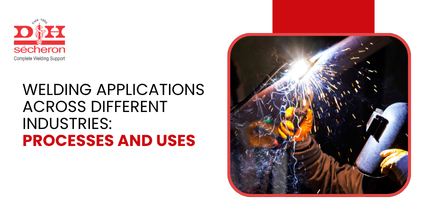

.jpg)
29 September 2026 | Welding
Welding Rods: Different Types and Tips for Properly Storing and Handling
.jpg)
29 September 2026 | Welding
Tips for Flawless Welds with Stainless Steel Electrodes: Pros and Cons

29 September 2026 | Welding
Exploring Applications and Benefits of Stainless Steel Welding Electrodes
29 September 2026 | Welding
Understanding the Types of Welding Wires and Their Applications
29 September 2026 | Welding
Mumbai Trans-Harbour Link (MTHL): Bridging Mumbai and Navi Mumbai

29 September 2026 | Welding
Mastering Stick Welding: 5 Expert Tips for Perfect SMAW Technique
29 September 2026 | Welding
The Complete Welding Machine Maintenance Checklist: Keep Your Equipment Running 24/7
.jpg)
.jpg)

29 September 2026 | Welding
Welding Basics: Joining Metals with Heat and Pressure - A Beginners Guide
29 September 2026 | Welding
Forehand vs. Backhand Welding Techniques: Choosing the Right Method
29 September 2026 | Welding
Creep-Resistant Steels: Heat Treatment Excellence by D&H Secheron.webp)
29 September 2026 | Welding
Welding Innovations to Improve Manufacturing Productivity & Quality.jpg)
29 September 2026 | Welding
Implementation of 96.3 CBM Sarambala medium irrigation scheme at Sawantwadi in Sindhudurg.jpg)
.webp)
29 September 2026 | Welding
Key Considerations When Choosing the Correct Gas for MIG Welding.jpg)


29 September 2026 | Welding
What are Nickel Electrodes? Exploring Varieties and Applications with Real-world Examples

29 September 2026 | Welding
Exploring the World of Welding Consumables: Types and Applications
29 September 2026 | Welding
Distinguishing Low-Alloy Steel from High-Alloy Steel: Understanding the Variations
29 September 2026 | Welding
Hardfacing Welding Process Types, Wires, Electrodes and Applications


29 September 2026 | Welding
Weathering Steel vs. Traditional Steel: A Comparative Analysis of Performance
29 September 2026 | Welding
Advantages of Submerged Arc Welding (SAW) Welding: Efficiency, Quality, and Cost Savings
29 September 2026 | Welding
What Is Shielded Metal Arc Welding (SMAW)? The Beginner's Guide
29 September 2026 | Welding
Choosing the Right Welding Rod: Why 6013 Electrodes Might Be Your Ideal Option
29 September 2026 | Welding
Exploring Submerged Arc Welding: Process, Advantages, and Limitations

29 September 2026 | Welding
Why Stainless Steel Welding Electrodes Are Essential for Industrial Welding
29 September 2026 | Welding
Selecting the Right Hardfacing Electrode: A Decision-Making Guide
29 September 2026 | Welding
Innovations in Stainless Steel Welding: Emerging Trends and Technologies for Enhanced Productivity
29 September 2026 | Welding
Why 7018 Electrodes Are Preferred for High-Strength Welds in Pipeline Construction
29 September 2026 | Welding
Understanding Weathering Steel: Characteristics, Advantages, and Common Applications
29 September 2026 | Welding
Filler Wire vs. Stainless Steel Filler Wire: Understanding the Key Differences
29 September 2026 | Welding
What are Mild Steel Electrodes? A Detailed Explanation of Different Types with Examples

29 September 2026 | Welding
Exploring the Impact of Filler Material on Welding Quality and Durability
29 September 2026 | Welding
Choosing the Right Cast Iron Electrode for Different Welding Projects
29 September 2026 | Welding
Understanding the Full Potential of Flux Cored Arc Welding (FCAW)
29 September 2026 | Welding
A Comprehensive Guide to Submerged Arc Welding Wire: Benefits, Uses, Best Practices & More

29 September 2026 | Welding
Benefits of Using Nickel Electrodes in Corrosion-Resistant Welding
29 September 2026 | Welding
5 Factors to Consider When Selecting Stainless Steel Welding Rods

29 September 2026 | Welding
Top Advantages of Cast Iron Electrodes for Industrial Welding Applications

.png)
29 September 2026 | Welding
Key Benefits and Challenges of Using TIG Welding in Industrial Projects
29 September 2026 | Welding
Lotherme-601: A Game-Changer for Restoring Shoulder Pins in Heavy Machinery

29 September 2026 | Welding
A Complete Guide to Welding Electrodes: Types of Welding Electrodes, Uses & Selection Tips
29 September 2026 | Welding
Rotary Kiln Cooler Section Repair Using LoTherme 352: A Proven Welding Solution by D&H Sécheron

.webp)
29 September 2026 | Welding
Welding PPE Kit Essential Welding Safety Equipment for Maximum Protection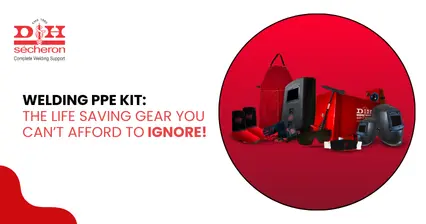
29 September 2026 | Welding
Piston Repair for Mining Industry: Reduce Downtime with LoTherme 468 Welding Electrodes.webp)
.webp)

29 September 2026 | Welding
Welding Helmets & Goggles: Essential Welding Safety Equipment for Industrial Welders.webp)
.png)

.jpg)

29 September 2026 | Welding
Top 5 Advantages of Flux Cored Arc Welding for Heavy-Duty Applications.png)
29 September 2026 | Welding
5 Reasons Why 7018 Electrode is the Gold Standard for Welding Professionals
29 September 2026 | Welding
Revitalising Power Plant Efficiency: The Role of LoTherme 470M in Drive Shaft Repairs.webp)

29 September 2026 | Welding
E6013 Welding Rod: Specification, Settings, Polarity, and Amps


29 September 2026 | Welding
What Is Hardfacing Welding? Easy Guide for Welders & Engineers
29 September 2026 | Welding
How to Weld Ferritic Stainless Steel: Complete Guide for SMAW & Arc Welding


